
Terminally Ill Adults (End of Life) Bill
I have kept my constituents informed about my concerns about the safeguards of the Terminally Ill Adults (End of Life) Bill as I was unconvinced that the right safeguards were in place, even after the careful scrutiny it received. This is why I voted against the Bill again this September.
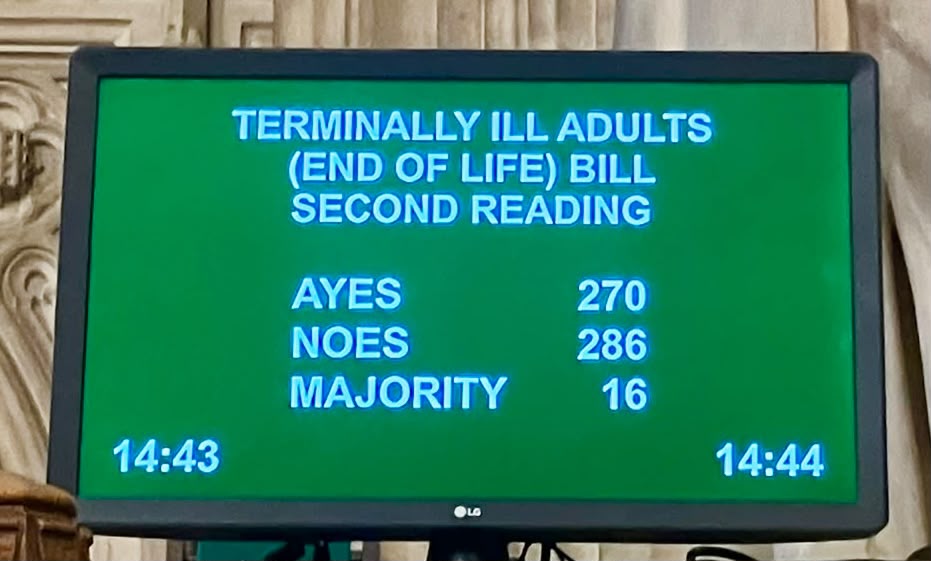
The Bill was rejected with a majority of 16 votes which reflects the just how divided the House is on this emotive issue.
I want to thank all those who took the time to write to me with their views it was the issue on which we have had the most correspondence in 2 years. In many cases, share deeply personal stories and experiences of having a terminal illness, and of seeing loved ones suffer as a result of terminal illnesses. I do not take lightly the trust you have placed in me. I am acutely aware that behind each email I received there is story and experience that has shaped your view on assisted dying.
I considered carefully both sides of the debate as the Bill was scrutinised in the House of Commons in both Parliamentary sessions, particularly as I worked with colleagues to improve the safeguards for the most vulnerable people in society and when I was deciding how to vote.
I have always been clear that I support the principle of assisted dying. I believe people should have the choice over their own lives and deserve dignity as they near the end of their lives. When we legislate, however, we do not vote on principle. We vote on the contents of the Bill that is presented before us in Parliament.
This Bill has encouraged open and frank discussions around death, dying and how we look after the most vulnerable members of our society, which I have welcomed. We need to continue this debate on a national scale, but that debate must include all aspects of end-of-life care.
What was clear from the debate we have had is that the status quo is clearly not adequate enough, and we must look at how improvements can be made in end-of-life and palliative care. The work of hospices and other palliative care providers and their support for both patients and their families before, during and after death is essential.
Whatever your view on assisted dying is, we should all be able to agree that when someone is nearing the end of their life, they should be in the very best and dignified care.